
Chapter 1Capítulo 1
Fourteen days and an adverbCatorze dias e um advérbio
On May 4, 2026, Brazil's official gazette, the Diário Oficial da União, published Resolution 2,455 of the Federal Council of Medicine (CFM), the rule that now governs medical care for intersex people in Brazil. In Article 6, the sole paragraph holds the harshest provision in the whole text:
No dia 4 de maio de 2026, o Diário Oficial da União publicou a Resolução CFM nº 2.455, a norma que passa a reger o atendimento médico de pessoas intersexo no Brasil. No artigo 6º, um parágrafo único traz a regra mais dura do texto inteiro:
Official Gazette · May 4, 2026 · Article 6, sole paragraphDOU · 04.05.2026 · Art. 6º, parágrafo único
The physician is prohibited from performing surgical intervention aimed at defining the phenotype in discordance with the patient's chromosomal sex (karyotype), except for cases diagnosed as androgen insensitivity syndrome (Morris disease) and de la Chapelle syndrome.Fica vedado ao médico realizar intervenção cirúrgica com o objetivo de definir o fenótipo em discordância com o sexo cromossômico (cariótipo) do paciente, excetuando-se os casos diagnosticados como síndrome de insensibilidade aos andrógenos (doença de Morris) e síndrome de De La Chapelle.
Fourteen days later, on May 18, a correction came out. The paragraph now said this:
Catorze dias depois, em 18 de maio, saiu uma retificação. O parágrafo passou a dizer isto:
Official Gazette · May 18, 2026 · CorrectionDOU · 18.05.2026 · Retificação
The physician is prohibited from performing surgical intervention aimed at defining the phenotype in discordance with the patient's chromosomal sex (karyotype), except for cases of DSD with a 46,XX karyotype and the presence of testicular tissue and extremely virilized genitalia, and cases of 46,XY DSD with a severe reduction in the production or action of male hormones and extremely feminized genitalia.Fica vedado ao médico realizar intervenção cirúrgica com o objetivo de definir o fenótipo em discordância com o sexo cromossômico (cariótipo) do paciente, excetuando-se os casos de DDS com cariótipo 46,XX e presença de tecido testicular e genitália extremamente virilizada, e os casos de DDS 46,XY com grave diminuição da produção ou ação dos hormônios masculinos e genitália extremamente feminilizada.
The consolidated text on the CFM website marks the change with a one-line note, "Retificação conforme DOU de 18.05.2026" (correction per the official gazette of May 18, 2026). Not a word about why.
O texto consolidado no site do CFM marca a mudança com uma nota de uma linha, "Retificação conforme DOU de 18.05.2026". Nenhuma palavra sobre o motivo.
Read both versions again. Slowly. The first one made the exception by diagnosis: it named two conditions. The second took the names out and put a description of the body in their place, with two adverbs of degree. The rule's question changed. Before, it asked what that body has. Now it asks what the body looks like, and how much.
Leia as duas versões de novo. Devagar. A primeira fazia a exceção pelo diagnóstico: dava o nome de duas condições. A segunda tirou os nomes e pôs no lugar uma descrição do corpo, com dois advérbios de intensidade. A pergunta da norma mudou. Antes, ela perguntava o que aquele corpo tem. Agora pergunta como ele parece, e quanto.
Someone will say a correction is a drafting fix, a misplaced comma. Sometimes it is. This one was not. The change went to the nature of the criterion, and it went in two directions at once: it widened the range of diagnoses (defects in the production of male hormones, which were out before, are now in) and it narrowed the gate by anatomy, because now only people whose genitals sit at the extreme get through. A drafting fix does not widen and shrink a rule in the same sentence.
Alguém vai dizer que retificação é ajuste de redação, coisa de vírgula trocada. Às vezes é. Esta não foi. A troca mexeu na natureza do critério, e mexeu em dois sentidos ao mesmo tempo: alargou o leque de diagnósticos (defeitos na produção dos hormônios masculinos, que antes não entravam, passaram a entrar) e estreitou o portão pela anatomia, porque agora só passa quem tiver a genital no extremo. Uma correção de redação não amplia e encolhe uma regra na mesma frase.
This essay is about the people caught between the two adverbs. Think of a 46,XY person with partial androgen insensitivity, an undervirilized body and a female gender identity, whose genitals do not reach the "extremely feminized" the exception demands. Under Resolution 2,455, her feminizing genital surgery becomes exactly what the paragraph prohibits: defining the phenotype against the karyotype. The route left to her is another resolution, 2,427/2025, written for gender incongruence, with another diagnosis, other requirements and another surgical script.
Este ensaio é sobre quem ficou entre os dois advérbios. Pense numa pessoa 46,XY com insensibilidade parcial aos andrógenos, com o corpo pouco virilizado e a identidade feminina, cuja genital não chega ao "extremamente feminilizada" que a exceção exige. Pela 2.455, a cirurgia de feminização genital dela passa a ser exatamente o que o parágrafo proíbe: definir o fenótipo contra o cariótipo. O caminho que sobra é outra resolução, a 2.427/2025, escrita pra incongruência de gênero, com outro diagnóstico, outros requisitos e outro roteiro cirúrgico.
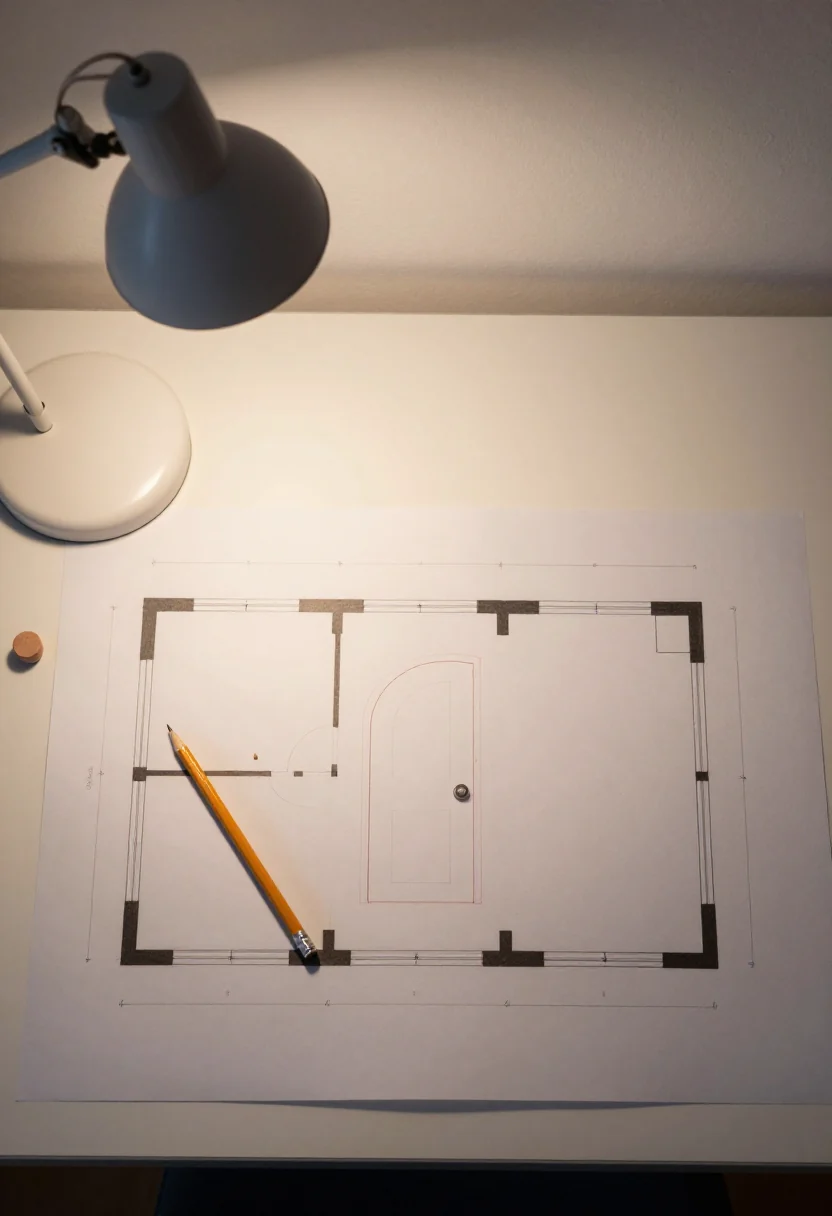
The thesis fits in two sentences. The rule does not measure the body; it measures the karyotype and whether the genitals sit at the extreme. That is why surgery is not denied; it is pushed toward the wrong door.
A tese cabe em duas frases. A norma não mede o corpo, mede o cariótipo e o extremo da genital. Por isso a cirurgia não é negada, é empurrada pra porta errada.
I write this from the inside. I am going through that wrong door right now, and in my case I am still the exception who got lucky.
Eu escrevo isso de dentro. Estou passando por essa porta errada agora, e no meu caso ainda sou a exceção que deu sorte.